
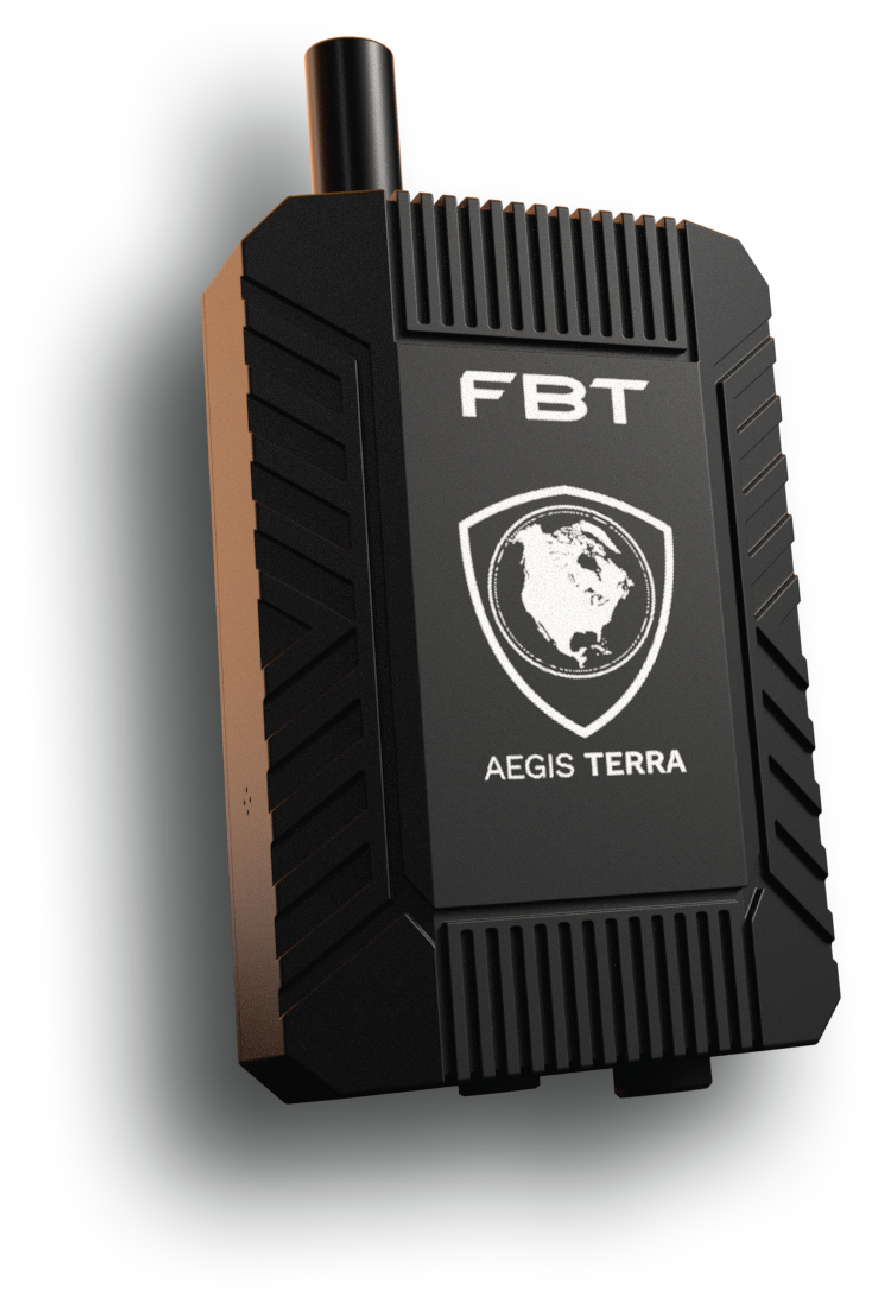
FIELD BROADBAND TRANSPORT
The Field Broadband Transport (FBT) is a rugged, low-SWaP, open-architecture edge communications node engineered to deliver assured voice and data connectivity at the operational edge. Designed to integrate legacy radios, modern IP networks, and MANET systems, FBT enables resilient, interoperable communications for public safety, defense, and mission-critical teams in demanding environments.
KEY FEATURES AND CAPABILITIES
FBT is designed as an interoperable edge platform, not a single-purpose device. Its core capabilities are built to support dynamic, multi-network operations in real-world environments.

Multi-Network Bridging
FBT integrates disparate communication systems including VHF/UHF analog radios, P25, LTE/5G, Wi-Fi, and IP-based networks enabling real-time data and voice exchange across heterogeneous systems without manual reconfiguration or vendor-specific dependencies.
Secure Communications
With support for self-forming MANET (peer-to-peer networking), Layer 2/Layer 3 routing, and robust Wi-Fi and cellular connectivity, FBT maintains resilient links on the move or in austere locales.
Edge & Mobile Connectivity
Advanced encryption (256-bit, WPA2/WPA3, Dual VPN) and hardened MIL-SPEC design help ensure secure mission data even in contested environments.
EDGE COMPUTE AND APPLICATION ENABLEMENT
Edge Compute Capacity
Advanced processing and memory resources support mission applications and local data handling at the edge, reducing dependence on reach-back connectivity.
Flexible Backhaul Options
Global cellular and Wi-Fi connectivity provide adaptable backhaul paths across WPAN, LAN, and WAN environments.
TAK-Ready Architecture
Supports ATAK server deployment at the edge, enabling localized situational awareness and data distribution without centralized infrastructure.
WHY THE FBT MATTERS
Operators at the edge face the harshest communication challenges: limited bandwidth, inconsistent networks, mismatched equipment, and unpredictable environments. When dismounted teams lose connectivity, situational awareness collapses and mission effectiveness follows.
FBT addresses this by unifying LTE/5G, Wi-Fi, and LAN transport into a single low-SWaP, body-worn, open-architecture platform that keeps communications alive even when infrastructure fails. By delivering resilient broadband transport and edge compute directly to the operator, FBT strengthens coordination, extends network reach, and ensures mission-critical data flows wherever the mission goes.
SELF-FORMING MANET
Enables self-forming, peer-to-peer MANET operation that functions without fixed infrastructure or centralized control. As nodes join, move, or drop off the network, routing automatically adapts—maintaining communications in dynamic, degraded, or austere environments.
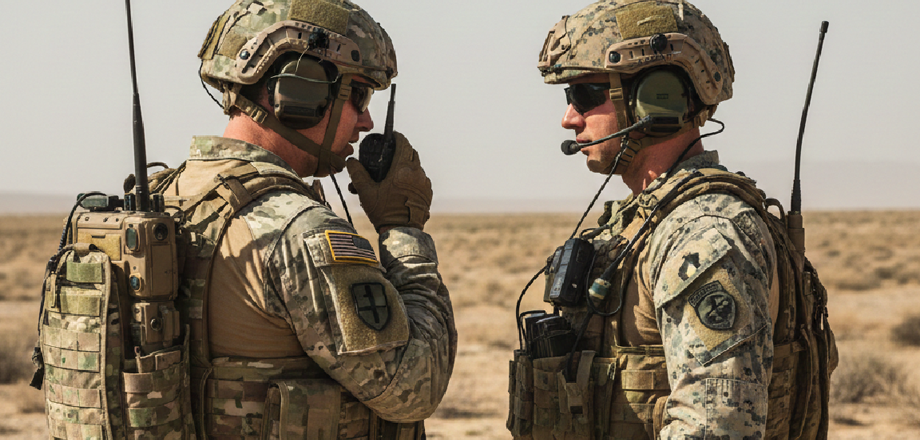
MULTI-NETWORK BRIDGING
Eliminates interoperability gaps by bridging legacy analog radios, P25 systems, and modern IP networks into a a unified operational fabric. This allows agencies using different equipment and standards to communicate in real time without replacing existing radios or infrastructure.
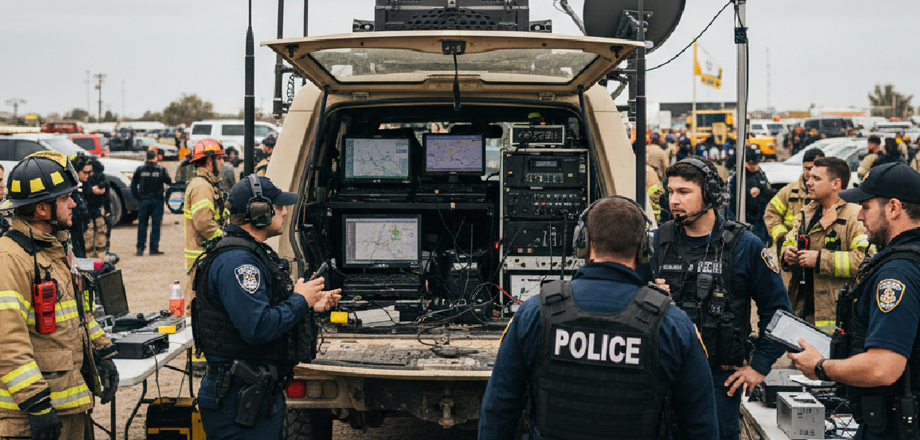
LOW SWaP DEPLOYABLE DESIGN
Engineered with low size, weight, and power requirements to support rapid deployment, mobile operations, and extended use in the field. Its compact, efficient design reduces logistical burden while enabling flexible mounting, battery operation, and sustained edge networking.
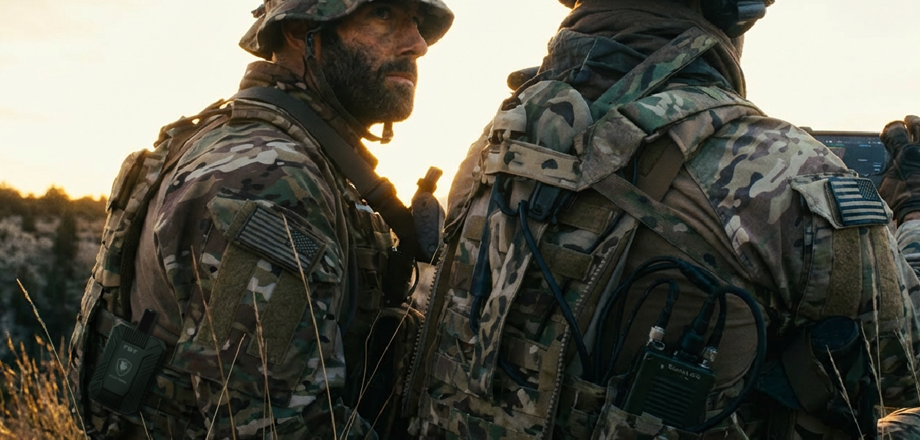
DESIGNED FOR FUTURE OPERATIONAL REQUIREMENTS
The FBT is designed to meet and exceed emerging Joint All-Domain Command and Control (JADC2) technical requirements, delivering a low-SWaP, intuitive system that bridges legacy and modern networks while supporting future expansion. Its open-architecture design ensures adaptability as mission demands, standards, and technologies evolve.